
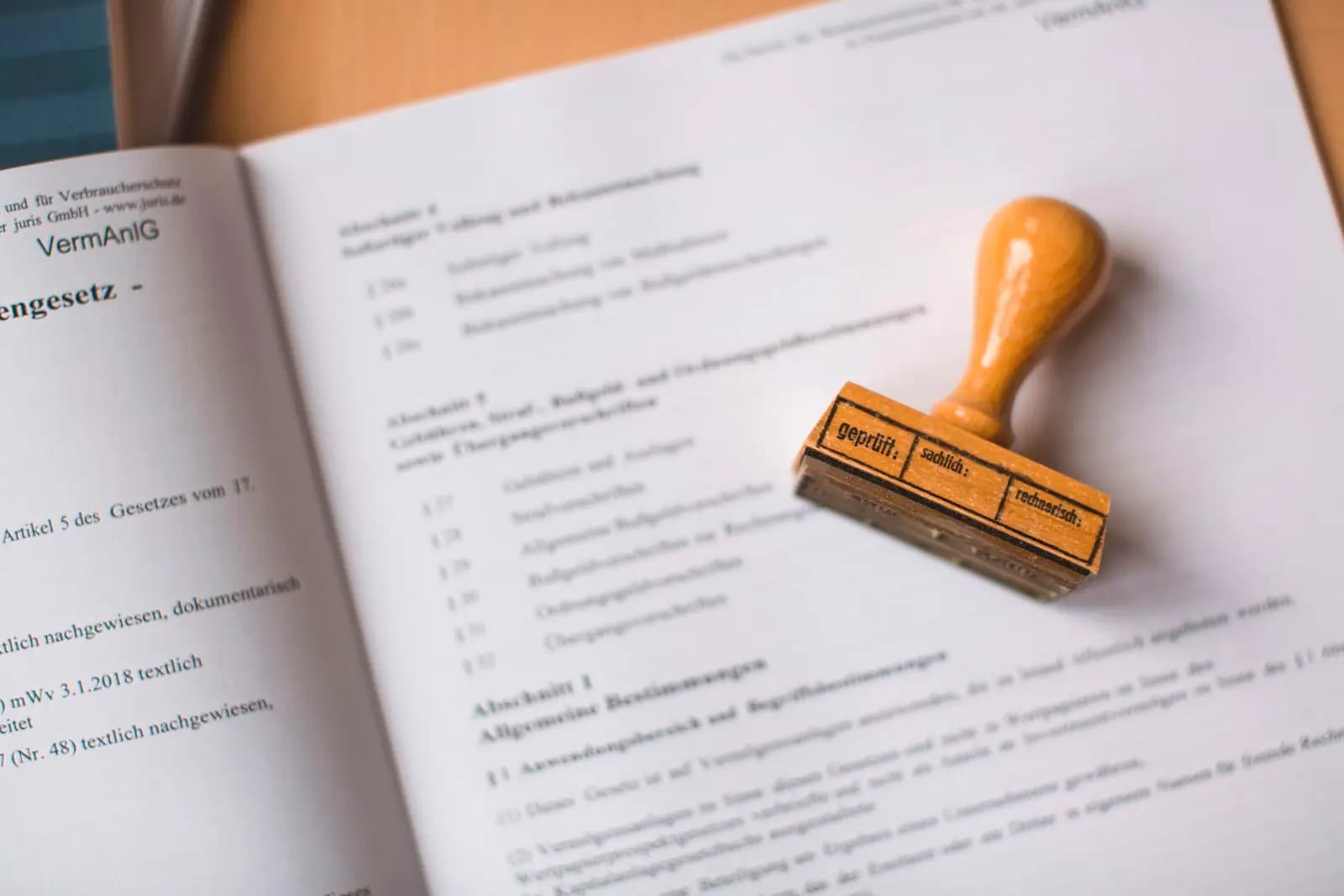
Most brand owners in Thailand register a trademark only when something forces them to: a marketplace asks for a registration certificate, a distributor wants a licence, or a copycat appears.
By then, someone else may already have filed. Thailand protects the first to file, not the first to use. This guide explains how the process works so it can be done before it becomes urgent.
For the separate question of which company should own the mark, see brand and trademark ownership when setting up a Thai company.
1. What can be registered
A Thai trademark can be:
- A word or brand name, including one in a foreign language
- A logo or device
- A combination of words and a logo
- A shape, a combination of colours, or a sound, if it can distinguish your goods or services
There are separate marks for different purposes: trademarks for goods, service marks for services, certification marks and collective marks.
A mark is likely to be refused if it:
- Describes the product or its quality ("Fresh Juice" for juice)
- Is a geographical name used in an ordinary way
- Is identical or confusingly similar to an existing registered or pending mark
- Is contrary to public order or uses protected national symbols
2. Search before you file
A search is not required by law, but it is the cheapest step in the process and the one that prevents the most refusals.
A useful search looks at:
- Identical and similar marks in the Thai trademark database
- Similar sounds, including how a foreign word is read aloud in Thai
- The same and related classes of goods and services
- Thai-script versions of a foreign brand, which others may already have filed
If the search finds a close conflict, it is far cheaper to adjust the brand now than after boxes are printed and marketing has started.
3. The application
Applications are filed with the Department of Intellectual Property, on paper or through its online system. You will need:
| Item | Notes |
|---|---|
| Applicant details | Individual or company; a company needs its registration documents |
| The mark | A clear image, and a Thai transliteration and translation of foreign words |
| Goods or services | Listed by class under the international classification |
| Power of attorney | If an agent files for you |
| Priority documents | If you claim priority from an earlier foreign filing |
Choosing the goods and services list is where many applications go wrong. Too broad and the examiner objects; too narrow and competitors can use the mark on neighbouring products. Thailand accepts several classes in one application.
4. Examination
An examiner checks whether the mark can be registered and whether it conflicts with earlier marks. If there is a problem, you receive an official order and a limited time to respond by:
- Arguing that the marks are different, with evidence
- Disclaiming a descriptive part of the mark
- Narrowing the goods or services
- Showing that the mark has become distinctive through use
If the response fails, the refusal can be appealed to the Trademark Board, and after that to the court.
5. Publication and opposition
A mark that passes examination is published. For a set period after publication, anyone who believes they have a better right can file an opposition.
- If there is no opposition, the application moves to registration
- If there is one, you file a counter-statement and the matter is decided on the evidence
- A decision can be appealed
Opposition is also a tool for you. Watching publications lets you oppose a copycat before it is registered, which is much easier than cancelling it later.
6. Registration and fees
After publication without successful opposition, you are notified to pay the registration fee within a set time. Missing that deadline means the application is treated as abandoned. Diarise it.
Once registered, protection runs from the filing date.
7. Keeping the registration alive
A registration lasts ten years from the filing date and can be renewed for further ten-year periods.
- File the renewal before expiry; a short late period exists but costs more
- Record changes of owner name, address or ownership with the registry
- Record licences to distributors or franchisees
- Use the mark as registered — a mark left unused for a long time can be challenged for non-use
8. Filing from abroad: Madrid Protocol
Thailand is a member of the Madrid Protocol. A foreign brand owner can extend an international registration to Thailand through their home office, instead of filing a separate Thai application.
Madrid is efficient for several countries at once, but:
- A Thai examiner still examines the designation under Thai rules
- Objections need a response through a local representative
- The Thai-script version of the brand is not covered unless it is part of the mark
Many foreign brands file Madrid for the main mark and a direct Thai application for the Thai-script version.
Before you launch a brand in Thailand
- Decide which entity will own the mark
- Search the mark, including its Thai reading and Thai-script form
- Draft the goods and services list around what you sell now and plan to sell
- File before the product launch and before sharing the brand with partners
- Diarise the registration fee deadline and the renewal date
- Watch for similar marks and oppose early
