
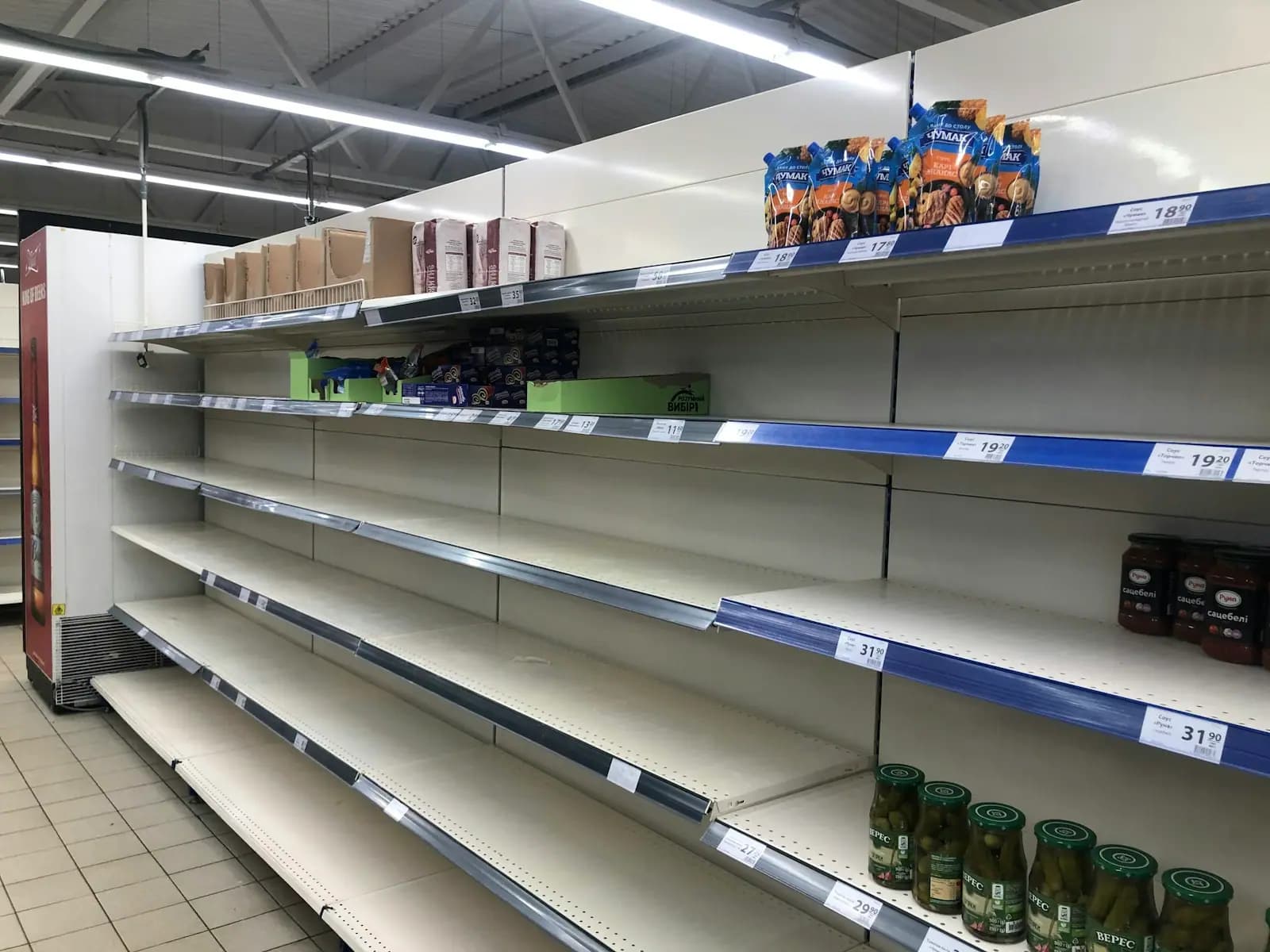
One production lot draws a customer complaint, or the factory tells you it found something wrong after the goods have shipped. The brand owner has hours to decide whether to stop sale, who contacts whom, and who pays. The trouble is that many businesses write the plan only after the incident, and neither the OEM contract nor the distribution agreement mentions recalls at all.
This guide splits the duties between the brand owner, the OEM factory and the distributor, with the focus on the stop-sale plan, contacting buyers, preserving evidence and handling costs. If you have not yet settled how production is structured, read OEM manufacturing versus your own brand first, and if you plan to change factories, see switching OEM factory: formula, moulds and stock. Label content is covered in product labelling in Thailand.
The short answer
When a product may be unsafe, do four things in order: stop sale and quarantine remaining stock in every channel, fix the scope by lot, notify buyers and any regulator concerned, and preserve evidence before anyone discards or alters it. Settle who pays afterwards, without making consumers wait.
The rule (Thai law). Section 4 of the Product Liability Act B.E. 2551 defines an operator to include the manufacturer, the hirer of manufacture, the importer, a seller who cannot identify the manufacturer or importer, and whoever uses its own name or trademark on the goods. Section 5 makes operators jointly liable to the injured person for damage from unsafe goods, without the injured person having to prove intent or negligence. The injured person must still prove actual damage (section 6). On the regulatory side, section 36 of the Consumer Protection Act B.E. 2522 allows the committee to order testing, a stop of sale or a recall, and some product types have their own statutes.
Our practical view. Do not argue about whose fault it is before acting. The brand owner is usually the party consumers and regulators see first, so it should run the recall and pursue the factory under the contract afterwards. A good contract fixes, before the first lot is made, who does what when something goes wrong.
Hypothetical example. A herbal tea brand owner in Maha Sarakham hires an OEM factory in Khon Kaen to make ready-to-brew herbal tea, sold through 3 distributors and online platform shops. Two buyers report foreign matter in sachets from lot L2410A. We call the parties the "brand", the "factory" and the "distributor" throughout.
1. Who is liable to consumers who are harmed
A consumer need not know who made the product; seeing the brand name is enough to sue the brand. Where several operators are jointly liable, the injured person can claim the full amount from any one of them.
| Role | An "operator"? | Note |
|---|---|---|
| Manufacturing factory | Yes (manufacturer) | Liable even without selling directly to consumers |
| Brand that hires the manufacture | Yes (hirer of manufacture, and user of its name or mark) | Usually the first to receive a claim |
| Importer | Yes | Liable as if it were the manufacturer |
| Distributor or shop | In some cases | When it cannot identify the manufacturer, hirer of manufacture or importer, so keep documents showing the source of the goods |
Beyond this Act, a seller is also liable to its own buyer for defects under Civil and Commercial Code Section 472. So separate out who is claiming what: the injured consumer, the distributor who bought for resale, or the agency issuing an order.
2. What regulators can do, and rules by product type
Before drafting the plan, know which regime your product falls under. This table is an overview; you must still check the current notifications and the conditions on the licence or registration number of the product.
| Product type | Main law and agency | What to check |
|---|---|---|
| Food | Food Act B.E. 2522, Thai FDA | Producer or importer must hold the right premises approval and food registration number. Check whether your conditions require notifying the FDA of an unsafe product, and note that officials can issue orders under the Act |
| Cosmetics | Cosmetic Act B.E. 2558, Thai FDA | The notification holder is responsible for the notified product. Check the holder's duties on adverse effects or non-conforming product. See the cosmetic notification holder |
| Drugs and products claimed as drugs | Drug Act B.E. 2510, Thai FDA | A licensed manufacturer or importer has duties under the licence conditions and drug registration. Supplements generally fall under the food regime, but a claim to treat disease may bring them within drugs |
| Medical devices | Medical Device Act B.E. 2551, Thai FDA | A licence holder has duties under the Act and notifications, including adverse-event reporting and recall. Keep distribution records by model or lot number so the product can be traced |
| Industrial goods under a mandatory TIS standard | Industrial Products Standards Act B.E. 2511, TISI | Making, importing or selling goods that do not meet a mandatory standard may be an offence and subject to inspection. See mandatory TIS standards and liability |
| General consumer goods | Consumer Protection Act B.E. 2522, OCPB | Section 36 lets the committee order testing, a stop of sale or a recall. Check the label and warnings too |
These laws do not use the same wording or timelines, so do not rely on figures from general articles. Ask the agency or a regulatory adviser for your product type. For an overview see Thai FDA: supplements and medical devices.
3. How far to recall: scope by lot and batch number
Recalling too widely wastes money; too narrowly costs safety and credibility. Answer these from production records, not instinct.
- Do the affected units share a lot number or production date, and do they share raw materials or a line with other lots?
- Did the lots made before and after use the same materials, machinery or shift?
- Is the risk a health hazard, or only a quality or label defect?
- Where is the product: factory warehouse, brand warehouse, distributors, shops, platforms, or consumers' hands?
Hypothetical example. The herbal tea brand finds that lot L2410A used the same bag of raw material as lot L2410B, so it widens the scope to both lots rather than wait for more test results.
4. Stop sale, quarantine and notify
The first-day order should look like this.
- Stop sale of the affected lots in every channel, including removing listings from platforms and telling online sellers.
- Quarantine stock at the factory, the brand and the distributors: separate area, "do not use" labels, no discarding and no returning to the factory before evidence is recorded.
- Notify the regulator as the law or licence conditions for that product require, checking deadlines in the current notification.
- Notify buyers in plain terms: the product, the lot, how to recognise it, the risk and what the buyer should do.
- Open one contact channel, such as a dedicated phone number and email, so information is not scattered.
A sample stop-sale notice from the brand to distributors and shops, to adapt to the real product:
Subject: Stop-sale and recall notice, lots L2410A and L2410B
To: Distributor/Shop [name]

[Brand name] asks you to stop selling [product name], size [size],
lots L2410A and L2410B (production date [date]) immediately on receipt of this letter,
because foreign matter was found in some units and we are investigating the cause.

What we ask you to do
1. Stop sale, remove from shelves and online listings, and set the remaining stock aside. Do not discard it.
2. Count the stock on hand and the units sold for each lot and send them to us within [deadline].
3. Send the list of buyers you can reach [contact channel and lot bought only].
4. If a buyer complains, record the date and details and keep photographs.
5. Do not comment to the media or on social media in the brand's name until we tell you.

We will take the product back and make good under the distribution contract. Contact [name], tel. [number], email [email].
The data you send is used for this recall only.

[Brand name], dated [date]
5. Contacting buyers, public notice and collecting returns
- Identifiable buyers. Distributors, corporate customers and online buyers with an account or phone number: contact them directly with a reviewed message.
- Unidentifiable buyers. Over-the-counter purchasers who left no details: use shop notices, the brand page, the platform and suitable media.
- Platforms. Tell the platform operator to remove listings and request buyer information through the channels the platform offers.
- Collecting and disposing. Record quantities returned, by lot, decide between destruction and rework, and destroy under documentation and evidence. Do not return goods to sale before you are sure they are safe.
Do not announce that the product is "definitely safe" or blame the consumer. State the facts known that day and update when test results arrive.
6. Preserving evidence before it disappears
The same evidence serves the discussion with the regulator, the claim against the factory and the insurance claim.
- Retained samples of each lot
- Batch records, raw materials, suppliers and in-process test results
- Test reports from both the factory and an outside laboratory
- Complaint logs, with photographs and the lot number the buyer reported
- Delivery notes, distribution reports and the list of recipients of each lot
- Chain of custody of samples sent for testing: who sent, who received, when
- Records of decisions, notices to the regulator and messages sent to buyers
Do not let the factory amend records retroactively, and do not destroy product before samples are kept. If a dispute may become a case, speak to a lawyer before disclosing documents.
7. Who pays: what the OEM contract should say
Terms to have in place before production:
| Topic | What to set |
|---|---|
| Quality warranty | The factory warrants that the product meets the specification, the formula and the applicable law. A seller's liability for defects rests on Civil and Commercial Code Section 472 |
| Recall costs | Cover collection freight, destruction, replacement stock, notices and testing, split by whether the cause lies with the factory or the brand |
| Recourse and indemnity | Damages the brand pays consumers can be claimed from the factory under Civil and Commercial Code Section 222 once the cause is proved |
| Insurance | Whether the factory holds product liability insurance and whether the brand is a co-insured |
| Root-cause determination | Who takes samples, which laboratory, and who decides if results differ |
| Right of inspection | The brand can inspect the factory and production records when an incident occurs |
While the cause is unknown, agree which side advances the cost and reserve the right of recourse in writing. Do not stop the recall because the money is not agreed, because that adds risk for consumers.
8. How distributors must cooperate, and customer lists under the PDPA
A distribution contract should require the distributor to stop selling on notice, report stock and sales by lot, keep records of whom it sold to, let the brand reach buyers, and return stock as the brand directs.
On customer lists, the distributor controls its own customers' personal data. Passing it to the brand needs a basis under the Personal Data Protection Act B.E. 2562 and should be proportionate: send only contact details and the lot bought, state that the purpose is the recall, bar marketing use, and delete when done. See the PDPA service for this kind of agreement. If the distributor refuses, the brand can let the distributor contact buyers itself using a message the brand prepares, so no data leaves the distributor. For stock that sits in a distributor's hands, see consignment stock that goes missing or unpaid.
9. Material costs, after-sales service and preventing a repeat
After the event, review what went wrong and whether the manufacturing contract has a price-adjustment mechanism when costs move, because cost pressure is a common source of cut corners. See raw material cost increases and price adjustment in contracts and check your complaint and warranty process in after-sales service and warranty.
10. Product recall plan checklist
Before an incident
- The OEM contract covers quality warranty, recall costs, root-cause determination and insurance
- The distribution contract covers the duty to stop sale, report stock and pass on buyer data
- Every lot has a lot number, production date and a traceable list of recipients
- Retained samples and batch records exist for each lot
- You know which law and agency govern the product
When an incident happens
- Set the scope by lot and raw material
- Stop sale in every channel and quarantine remaining stock
- Notify the regulator as the law for that product requires
- Send the notice to distributors and a public notice to buyers
- Open one contact channel and log every report
Evidence and costs
- Keep samples, batch records, test results and chain of custody
- Record every cost and reserve the right of recourse in writing
- Destroy or rework returned stock under documentation
- Review the cause and amend the contracts with the factory and distributors
Further reading
- OEM manufacturing versus your own brand — choose the production structure before assigning recall duties
- Switching OEM factory: formula, moulds and stock — when you must move factories after a problem
- Product labelling in Thailand — labels and warnings tied to liability
- Mandatory TIS standards and liability — goods that must meet a standard before sale
- Thai FDA: supplements and medical devices — the FDA registration systems
- The cosmetic notification holder — who is responsible for a cosmetic product
- After-sales service and warranty — handle post-sale complaints as a system
A good recall starts before the incident: you know where the product went, who does what, and who pays which part when something goes wrong.
We help review and draft OEM contracts, distribution agreements and recall plans to fit your product, and check which registrations or regulator notifications apply. For an initial consultation, call +66 92 254 2045 or send us the details. See also FDA registration and contracts and business documents.
This guide is published by Suwanvara Law Firm — a Khon Kaen law firm established in 1986. General information only, not legal advice on a specific matter.
