
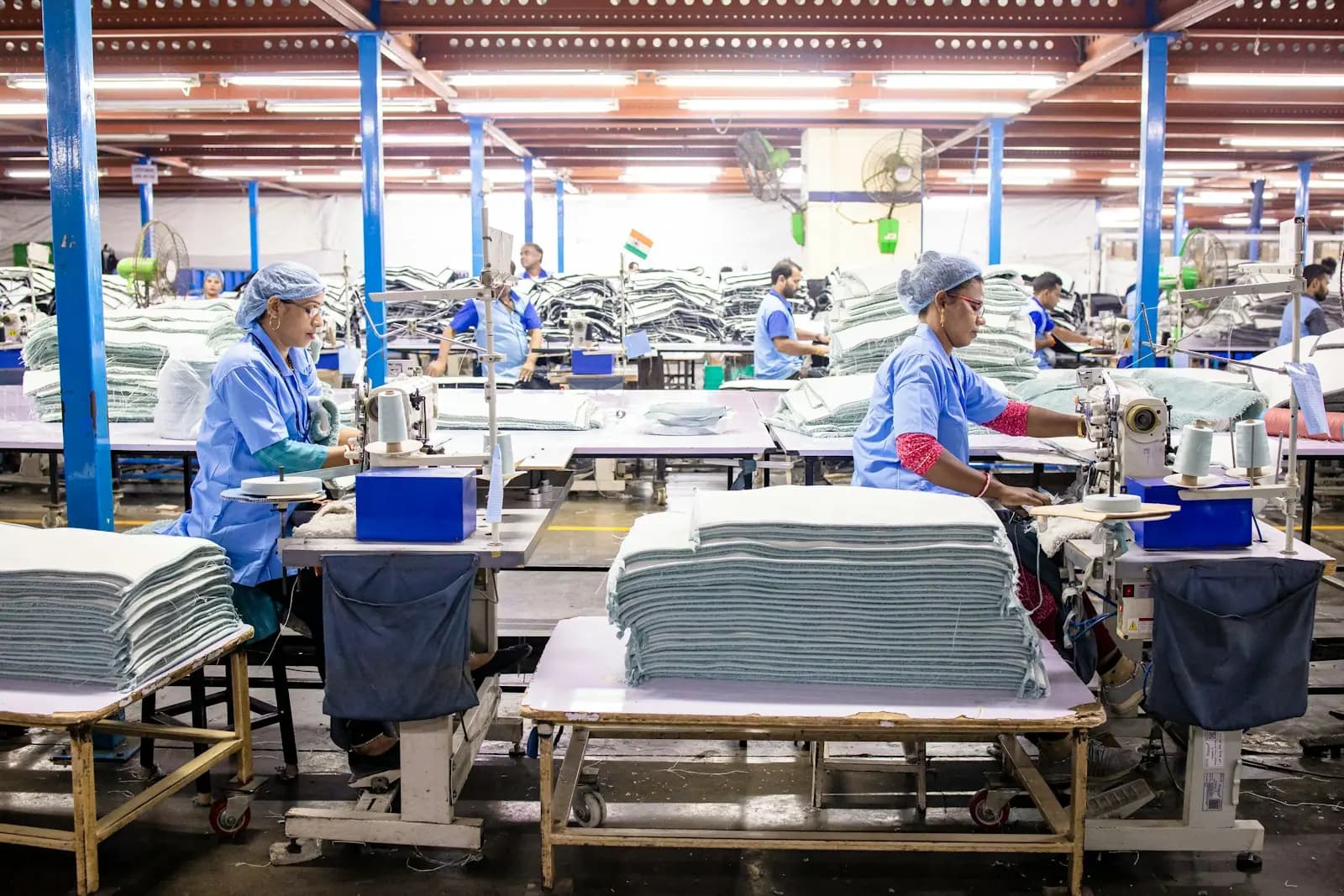
Many small factories opened in Thailand by overseas manufacturers look the same in their first year. A general manager from the parent company, a Thai office manager who also handles HR, around twenty production staff, and an HR system copied from home.
That system usually works until the first dispute. Then it turns out that the contract, the working hours or the way someone was dismissed did not match Thai law. This checklist is organised by when each obligation starts.
Before the first hire
Employment contracts. Thai law does not require a written contract for every employee, but a written contract in Thai, with a translation the managers can read, prevents most later arguments. It should state the position, workplace, wages, working hours, holidays and probation.
Working hours. Normal hours cannot exceed eight hours a day and forty-eight hours a week, with stricter limits for work classed as hazardous. Anything beyond is overtime or holiday work, paid at the legal rates and limited in total per week.
Holidays and leave. Plan the calendar from the legal minimums:
- At least one weekly holiday
- At least thirteen traditional holidays a year, including National Labour Day
- Annual leave of at least six working days after one year of service
- Sick leave with pay for up to thirty working days a year
- Business leave with pay for at least three days a year
- Maternity leave under the current statutory entitlement
Probation. Probation is a management tool, not an exemption from severance. See what probation actually means in Thailand.
When each employee starts
- Register with Social Security within thirty days and start monthly contributions
- Workmen's compensation coverage through the compensation fund
- Employee register with the details the law requires, prepared within fifteen days
- Wage records showing hours, pay and deductions, kept for the period the law requires
- Withholding tax on salaries filed monthly
At ten employees
Once the workplace has ten or more employees, the employer must have work rules in Thai, announce them within fifteen days, and keep them posted where employees can see them. Read what work rules must contain.
A small factory grows past ten quickly. Draft the work rules while you are still at eight or nine.
At fifty employees and beyond
- A welfare committee elected by employees
- Occupational safety and health obligations that expand with headcount and the type of work, including safety officers and a safety committee
- An employment quota for persons with disabilities, or the alternatives the law allows, once the workforce is large enough
Foreign managers and technicians
Every foreign employee needs a work permit before starting work, including managers from the parent company who "only supervise". The rules depend on whether the company holds investment promotion, and a work permit is tied to the employer and the position. See the employer's guide to work permits.
Home-country habits that break Thai law
These appear again and again in foreign-owned factories:
Long shifts treated as normal hours. Ten-hour shifts over six days are fifty hours of overtime-bearing work each month, not a standard week.
Deposits and fines. A general deposit from production workers, or deducting wages as a penalty for lateness or defects, is not lawful.
Unpaid or extended probation. Probation does not lower wages below the legal minimum and does not prevent severance after 120 days.
Holding passports. Keeping foreign workers' passports "for safekeeping" is prohibited.
Resignation letters on file. Asking new staff to sign an undated resignation letter is unenforceable and is strong evidence against the employer later.
Dismissal by message. Termination needs a lawful reason, correct notice or pay in lieu, and severance where due. See severance pay in Thailand.
A simple first-year calendar
| When | Action |
|---|---|
| Before hiring | Contracts, hours schedule, holiday calendar, wage structure |
| Each new hire | Social Security within thirty days, employee register, wage records |
| Monthly | Payroll, Social Security contributions, withholding tax |
| Approaching ten staff | Draft and announce work rules |
| Before foreign staff start | Work permits in place |
| Annually | Review contracts, work rules and leave balances |
For a broader review once the factory is running, see the Thai labour compliance audit.
📌 See more: labour law services · business law services
If you are setting up HR for a new factory in Thailand, talk to our team. We can review contracts and work rules in Thai and English before the first dispute.
This article is general information, not legal advice for a specific case.