
Factory Setup Lawyers in Thailand
The order of the steps decides the date production starts
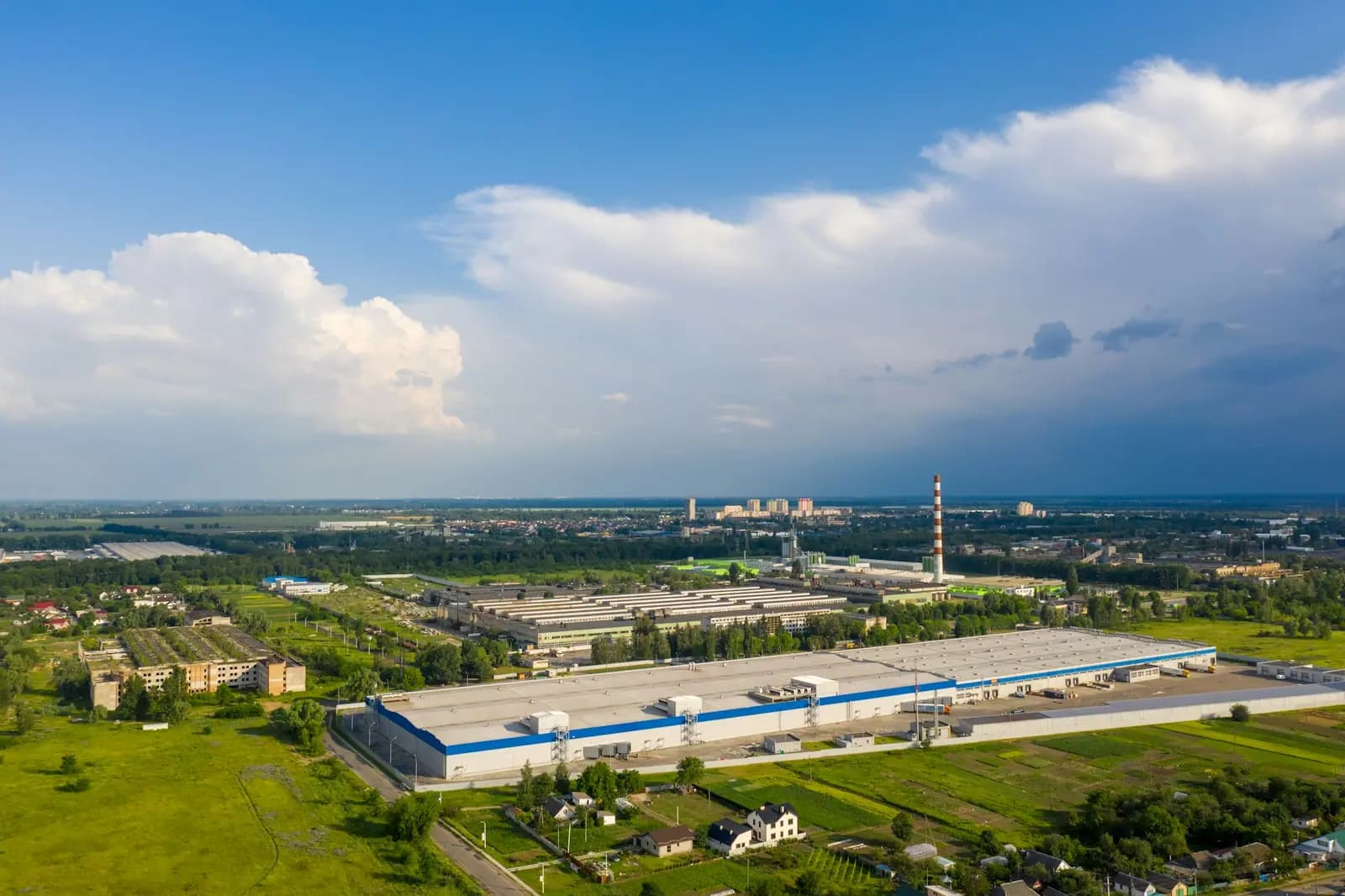
The order of the steps decides the date production starts
Setting up a plant in Thailand involves a chain of decisions owned by different authorities: the investment route, the site and how it is held, zoning, building approvals, the factory licence or notification, the machinery import route, utilities, and permits for the people who install and run the line. None of these is unusually difficult on its own. The delays come from dependencies — machinery ordered before the import route exists, a site signed before anyone checked it could host the process, a building finished before the factory class was confirmed. We map those dependencies at the start and work through them in the order that keeps options open.
What we cover
Decide what the Thai company will do before deciding what it is
Manufacturing is generally open to foreign-majority companies. The activities around it often are not: selling domestically through your own sales team, installation, maintenance and after-sales service, and holding land. Listing every activity the Thai entity will carry out in its first years is what tells you whether you need investment promotion, a foreign business licence, a different shareholding, or nothing further. Companies that form first and ask later usually end up amending their registration, their promotion application, or both.
Buying, leasing land, or leasing a ready-built factory
Each option moves the risk to a different place. Buying land and building gives control and a long horizon, but makes the land-holding route, zoning, access and utilities your problem. Leasing land shifts the question to the lease term, its registration and what happens to your building at the end. A ready-built factory is the fastest start, and the lease then decides whether the building's approved use fits your process, whether there is enough power, and whether the landlord will supply the documents your licences need.
Machinery is where sequencing mistakes cost the most
Where a project relies on duty exemption under investment promotion, machinery has to come in through that route, matching the project, within its time limits. Equipment cleared as an ordinary import beforehand generally cannot be brought back in. Used machinery can qualify on criteria that change from time to time. The machinery list also feeds the factory classification, the building design and the power application, so it is one of the first documents we ask to see.
Relocating production from another country
Manufacturers moving existing lines into Thailand face the same steps with additional constraints: used equipment, existing customer audits, supplier contracts written for another jurisdiction, and a management team arriving before local structures are in place. We plan the relocation as one sequence, so that the promotion position, the import of existing machinery, work permits for transferring staff and the customer's compliance requirements are handled in the right order rather than in parallel crises.
Talk to us about this
Free initial consultation. Tell us what your business needs and we'll map the steps and a quote.
Frequently asked questions about Factory Setup in Thailand
6 questions answered
Further reading
The order of steps from company formation to first production — investment promotion, site, zoning, building, factory licence, machinery, utilities and people — and the sequencing mistakes that cost foreign manufacturers months.
11 min readBusiness LawA ready-built factory is the fastest way into production, and the lease decides more than rent. Registration and term, whose name the factory licence is in, fit-out and modifications, power, environmental conditions, and what happens if the landlord sells or you need to leave.
9 min readBusiness LawMachinery is usually the largest import of a new plant, and the route it comes in on is decided before it ships. Investment promotion, free zones and ordinary import compared; the timing trap; criteria for used machinery; and what you may not do with exempt equipment afterwards.
9 min readIndustrial & Regulatory GuideWho approves your plant, which approval track you are on, and what will break your start-of-production date. Estate versus non-estate sites, confirming your factory class before signing the lease, licence transfer in a brownfield deal, and what counts as a modification.
10 min read